
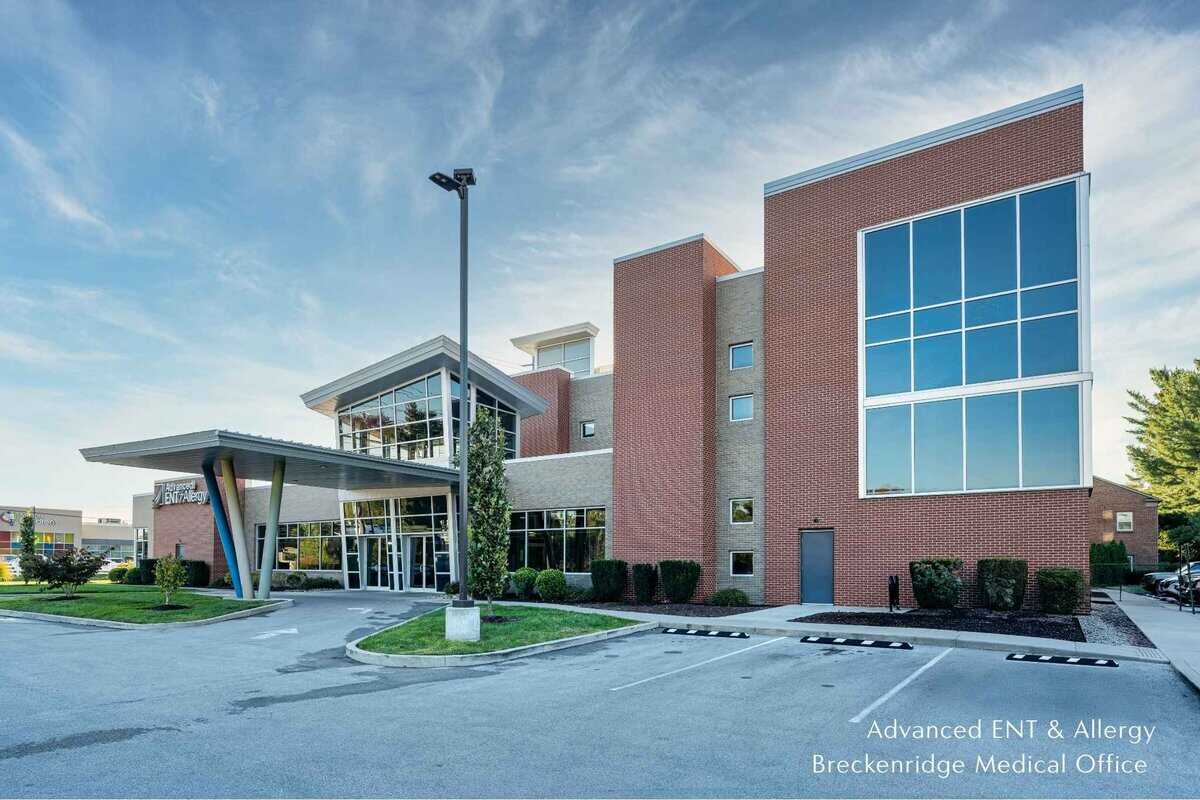
Most physicians reach a point in their careers when they look up from the long clinic days, late-night charting, and shifting reimbursement pressures and think, “There has to be a more stable way to build my future.” The desire isn’t for extravagance. It’s for control, clarity, and the ability to practice medicine with purpose rather than pressure.
Medical real estate investment offers that kind of stability. It is one of the few asset classes that rises and falls with something you understand deeply: the enduring need for healthcare. Unlike other commercial sectors, medical office buildings and surgical facilities tend to remain steady through economic cycles, guided by long-term leases and a tenant base that does not disappear when markets pull back.
For many doctors, medical real estate becomes the bridge between financial security and professional fulfillment. It creates passive income without pulling you away from patient care. It aligns with your expertise. And it gives you the freedom to practice by choice, not obligation.
As you’ll see throughout this guide, medical real estate investment is more than an asset class. It can be a path to stability, purpose, and long-term wealth that supports the life you want to build.
The Problem Physicians Face Today
Most physicians aren’t struggling because of poor financial decisions. They’re struggling because the structure of modern medicine leaves little room for financial clarity or personal control. Even high-income earners feel stretched thin.
1. A Career of High Income and Low Control
You’ve built a career through years of training, delayed gratification, and an unwavering commitment to patient care. Yet even with a strong income, your financial life often feels tied to clinic volume, call schedules, and administrative pressures you have little control over. Productivity bonuses come with heavier workloads, not greater flexibility. And while compensation may rise, your personal time rarely does. Many physicians describe this tension as the quiet gap between “earning well” and “living well,” where income increases but autonomy does not.
2. Volatility in Traditional Portfolios
Most physicians rely heavily on W-2 earnings and retirement accounts invested in stocks and mutual funds. These tools can be valuable, but they also react sharply to market cycles, geopolitical events, and economic uncertainty. When your days are already full, the emotional weight of watching your portfolio swing can add another layer of stress. Instead of feeling like opportunity, volatility feels like one more thing outside your control. For many physicians, this creates a desire for investments that are steadier, slower-moving, and easier to understand.
3. Lack of Time for Active Investing
Few professions demand more of your time and cognitive energy than medicine. Between clinic, procedures, charting, call, and family responsibilities, very little bandwidth remains for analyzing deals or managing active investments. Even if you want to diversify, the idea of evaluating tenants, overseeing renovations, or responding to property issues feels unrealistic. This time constraint is one of the biggest reasons physicians stay dependent on a single income stream longer than they want. It isn’t due to lack of interest – it’s due to lack of hours.
4. The Search for Predictable Passive Income
In conversations with colleagues across specialties and career stages, one theme shows up again and again: “I want passive income that doesn’t require another job.” Physicians want stability, not volatility; simplicity, not complication.
Medical real estate investment stands out because it offers income tied to long-term leases, essential services, and tenants you understand intuitively. It doesn’t require nights, weekends, or another credential. It simply complements the world you already know, providing cash flow that arrives whether you are in clinic or not.
The Reality Behind These Challenges
None of these challenges are signs of financial missteps or professional inadequacy. They are the natural consequences of a demanding career built around patient care and limited time. What physicians need isn’t more work – it’s investment options aligned with their reality. Options that create stability, reduce emotional volatility, and support the life you want to build, without adding another layer of responsibility to your day.
Why Medical Real Estate Investment Fits Physicians Naturally

When physicians hear about medical real estate investment, many assume it will require learning an entirely new industry. In reality, it is one of the few investment categories that aligns directly with the world you already understand. The clinical environment, referral patterns, patient flow, and operational needs of healthcare tenants are part of your daily experience. That familiarity becomes an advantage, helping you assess the stability of a medical building more intuitively than most investors ever could.
Another reason this asset class stands out is the resilience of the tenant base. Healthcare demand remains steady even during economic downturns. Practices tend to sign long-term leases and stay in place because relocating equipment, changing patient routines, and re-establishing referral pathways can be disruptive. This naturally creates more predictable income, something physicians value when their schedules allow little room for uncertainty.
There is also a natural alignment between a physician’s instincts and the structure of these investments. You can often identify high-quality operators, stable specialties, and ethical practices with a level of clarity that traditional commercial investors cannot. That understanding lowers risk by helping you recognize strong tenants early.
Finally, medical real estate behaves differently from other commercial sectors. Retail depends on consumer spending, and traditional office buildings depend on corporate headcounts. Medical facilities, by contrast, are anchored by necessity. People need care in every economic environment, and providers need well-located, patient-centered spaces to deliver that care effectively. This makes medical real estate investment a familiar, stable, and strategic fit for physicians who want passive income without adding more work to their lives.
Strategic Framework for Investing in Medical Real Estate
Medical real estate investment becomes far less intimidating when you approach it with the same structured thinking you use in clinical practice. Physicians thrive when the path is clear, the variables are understood, and the process is repeatable. The framework below brings that clarity to an asset class built on the same principles of stability and long-term value that guide your work in medicine.
Understanding the Asset Class
Medical real estate is distinctive because healthcare tenants depend on specialized space, predictable patient access, and long-term continuity. Practices rarely relocate due to the cost of equipment, patient disruption, and referral patterns. This creates a level of stability that many commercial assets cannot match. Knowing the type of tenant, the essential nature of their services, and the strength of the local healthcare ecosystem gives you an immediate sense of the building’s durability.
Evaluating Cash Flow, Appreciation, and Tax Benefits
Strong medical assets provide three primary benefits: dependable cash flow from long leases, long-term appreciation tied to population growth and healthcare demand, and favorable tax treatment. Depreciation, interest deductions, and the structure of real estate partnerships can meaningfully enhance after-tax returns. For physicians accustomed to high marginal tax rates, this combination often brings both financial relief and long-term momentum.
Applying Conservative Underwriting and Market Discipline
Just as you evaluate clinical risk with precision, medical real estate demands disciplined underwriting. Conservative leverage, realistic rent assumptions, and a clear understanding of local healthcare trends help protect against downside scenarios. This is also where alignment matters. When you invest alongside experienced co-investors with their own capital at risk, you benefit from shared judgment rather than learning through trial and error.
Investing With a Long-Term Mindset
Medical real estate rewards patience. Healthcare demand grows steadily, leases extend over many years, and value builds through consistent performance rather than rapid speculation. When you adopt the same long-term orientation you use in patient care, the asset class becomes both approachable and familiar. The goal is not quick wins. It is durable, predictable income that supports the life you want to live.

How Physicians Can Start Investing in Medical Real Estate
Getting started with medical real estate investment doesn’t require becoming a full-time operator or adding new complexity to an already full clinical life. It begins with clarity. Warren Buffett often reminds investors that the goal is not to be smarter than everyone else, but to be more disciplined than everyone else. For physicians, that discipline is already part of your identity. The first step is deciding what you want your capital to achieve: predictable income, long-term stability, or tax efficiency. When the goal is clear, investment decisions become far simpler.
Spend time understanding the fundamentals. Buffett calls this staying within your “circle of competence.” You don’t need to know everything about commercial real estate. You only need to understand the drivers that matter: occupancy, lease terms, tenant quality, and net operating income. These principles mirror clinical reasoning. You identify the key variables, ignore the noise, and move steadily toward a reliable outcome.
Next, decide whether you want to invest actively or passively. Active ownership can be rewarding, but passive syndications allow you to benefit from medical office real estate investment without sacrificing clinical time or personal bandwidth. Passive structures let your money work quietly in the background while you stay focused on what matters most.
When evaluating sponsors, apply the same standard you would use when selecting a surgical partner. Look for conservative underwriting, thoughtful risk management, transparent communication, and meaningful co-investment. Buffett’s philosophy is simple: only work with people whose incentives are aligned with your own. In medical real estate, alignment is not a luxury. It is the foundation of long-term success.
When approached with clarity, discipline, and partnership, investing in medical real estate becomes a natural extension of how physicians already think, make decisions, and create value.
Real-World Application: How One Physician Used Medical Real Estate to Build Stability and Freedom
Several years ago, I sat with a mid-career physician who reminded me of many colleagues I’d met over the years. He was an excellent surgeon, respected by peers and beloved by patients, but he felt increasingly stretched thin. His clinical income was strong, yet volatile. His retirement accounts were growing, yet unpredictable. And despite a long career, he didn’t feel closer to owning his time.
He wanted a path to stability, but not another job.
What changed things for him was his first medical office real estate investment. The property was a modest, single-tenant building leased to a specialty clinic he understood well. He knew the practice model, the referral base, and the patient demand. It wasn’t just numbers on a spreadsheet. It was a world he recognized.
He invested passively alongside other physicians, allowing an experienced management team to handle acquisition, financing, operations, and long-term planning. Within the first year, the property produced steady cash flow. The lease was long-term. The tenant was stable. And for the first time, he experienced income that showed up without a shift, consult, or late-night charting session.
What surprised him most wasn’t the financial return, though that was meaningful. It was the emotional shift. He began practicing medicine with more presence and less pressure. He took more intentional time with patients. He felt calmer in clinic. His decisions weren’t influenced by financial urgency.
Instead of working to keep up, he now worked because he wanted to.
Today, he continues to build a portfolio of medical office real estate investments. Each property becomes one more step toward practicing on his terms. Each year offers a bit more margin in his schedule, a bit more clarity in his finances, and a bit more freedom to invest in the parts of life he once delayed.
His story isn’t unusual. It reflects what happens when physicians blend their clinical insight with a strategic path to passive income. Medical real estate investment doesn’t replace medicine. It strengthens it, giving physicians the freedom to be fully present – both at work and at home.

Medical Real Estate as a Tool for Freedom and Better Medicine
Medical real estate investment gives physicians something they rarely experience in their day-to-day work: stability they can rely on. When part of your income comes from predictable, long-term assets, your clinical work no longer carries the full weight of your financial life. That shift alone creates a different kind of presence with patients.
The goal isn’t to step away from medicine. It’s to remove the pressure that makes the work feel rushed or reactive. When passive income supports even a portion of your needs, you gain the freedom to shape your schedule, focus on meaningful cases, or simply slow the pace enough to reconnect with why you entered medicine in the first place.
There is also a broader impact. By investing in the buildings where care is delivered, physicians strengthen the healthcare infrastructure itself. Stable clinics, imaging centers, and specialty practices directly support community health – an extension of the same mission you already serve.
This is the vision: physicians with more control, patients who feel truly seen, and a profession supported by stable, long-term assets. Medical real estate investment is one path that helps make this possible.
A Gentle Next Step
If the idea of medical real estate investing resonates with you, consider exploring it at your own pace. Many physicians find that learning a little at a time brings clarity, confidence, and a sense of control they’ve been missing in their financial lives.
You can start by reviewing our educational resources on Alternative Investments and broader physician-focused Insights. When you feel ready to take the next step, our team is here to help you understand opportunities and determine whether they fit your goals.
If you want to learn more or simply see what thoughtful, physician-aligned investing looks like in practice, you’re welcome to Get Started whenever the timing is right for you.

*Apta Investment Group does not provide financial, legal, or tax advice. We recommend consulting with a qualified financial advisor before making any investment decisions.